Condiments are the most overlooked category on shelves, yet they demand the most from supply chains. Low unit value, dense SKU counts, and expiration date sensitivity mean that any mismatch in the process leads to deadstock, near-expiry items, and waste. Overseas Chinese supermarkets and local grocery stores sell the same products, but their underlying demand structures are nearly opposite. Guangzhou Jiangji Supply Chain Services has served both types of terminals for nearly three decades. By breaking down these differences, the focus for flexible adaptation becomes clear.
Product Selection: One focuses on flavor ecosystem, the other on turnover efficiency.
Shelves in overseas Chinese supermarkets cater to the daily tastes of immigrant families. Soy sauce must distinguish between light and dark varieties; oyster sauce comes in large and small bottles; hot pot bases are split into spicy and clear broth types; pickles, dried goods, rice, noodles, and cooking oil are often sold as sets. The key to assortment strategy at these terminals isn't total SKU count, but flavor ecosystem closure—whether customers can source every condiment needed for a single Chinese meal at one store. Missing even one item drives traffic to the competitor next door. With limited floor space precluding expansive displays, individual stores don't need massive barcode counts, but tolerance for stockouts on core items is extremely low.
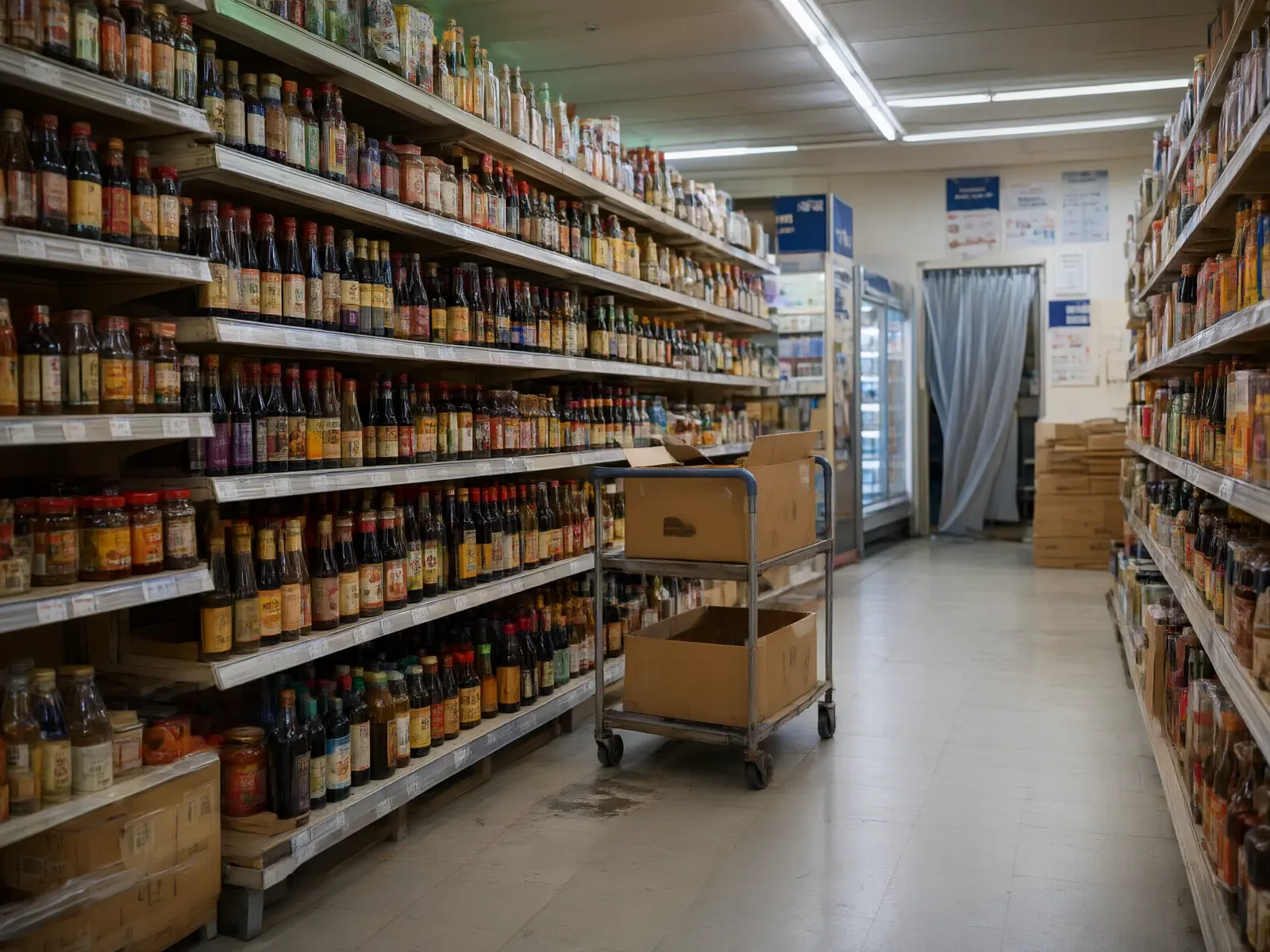
The logic in local supermarkets is the opposite. Shelf space in KA and CVS systems is allocated based on sales per square foot. Buyers focus on inventory turnover days, gross margin, and sales performance of national brands. SKUs must generate sales within one to two weeks; those that underperform are eliminated via bottom-ranking. Seasonings primarily serve as traffic drivers and order boosters here. Selection prioritizes the stability of top-tier brands, with flavor range coverage ranked lower.
For the same category, one store is narrow and deep, while the other is wide and fast. Using a single list to supply both will inevitably fail to meet the needs of at least one type.
Lead time: one based on shipping schedule, the other in hours
For overseas orders, the timeline is measured in shipping cycles. From customs declaration and FOB departure in Guangzhou to destination port clearance and warehousing, the cycle spans weeks, compounded by booking, consolidation, and maritime fluctuations. Customers must plan replenishment well in advance; a single error can result in an entire container being stuck in the warehouse for months. The key metric here isn't "speed," but "accuracy": predictable shipment schedules, flawless documentation, timely consolidation, and smooth customs clearance upon arrival.

For local supermarkets, the time unit is hours. KA systems have fixed receiving windows; trucks arriving even one hour late cannot enter the warehouse that day. CVS and community store replenishment operates on a daily cycle, where stockouts and near-expiry items are immediately reflected on shelves and reports. Here, timeliness hinges on response speed and delivery granularity—any variation in shipment volume directly impacts in-store merchandising execution.
One scale in weeks, another in hours. The three workflows—warehousing, distribution, and documentation—must be rescheduled to two different rhythms.
Flexible Adaptation: One Product Catalog, Two Delivery Formats
Guangzhou Jiangji Supply Chain manages 115 brands with over 9000 product barcodes, spanning condiments, rice & noodles, oils, dried goods, snacks & beverages, pickles & preserved items, and Japanese daily necessities. Product range is the foundation; true fit happens at delivery.
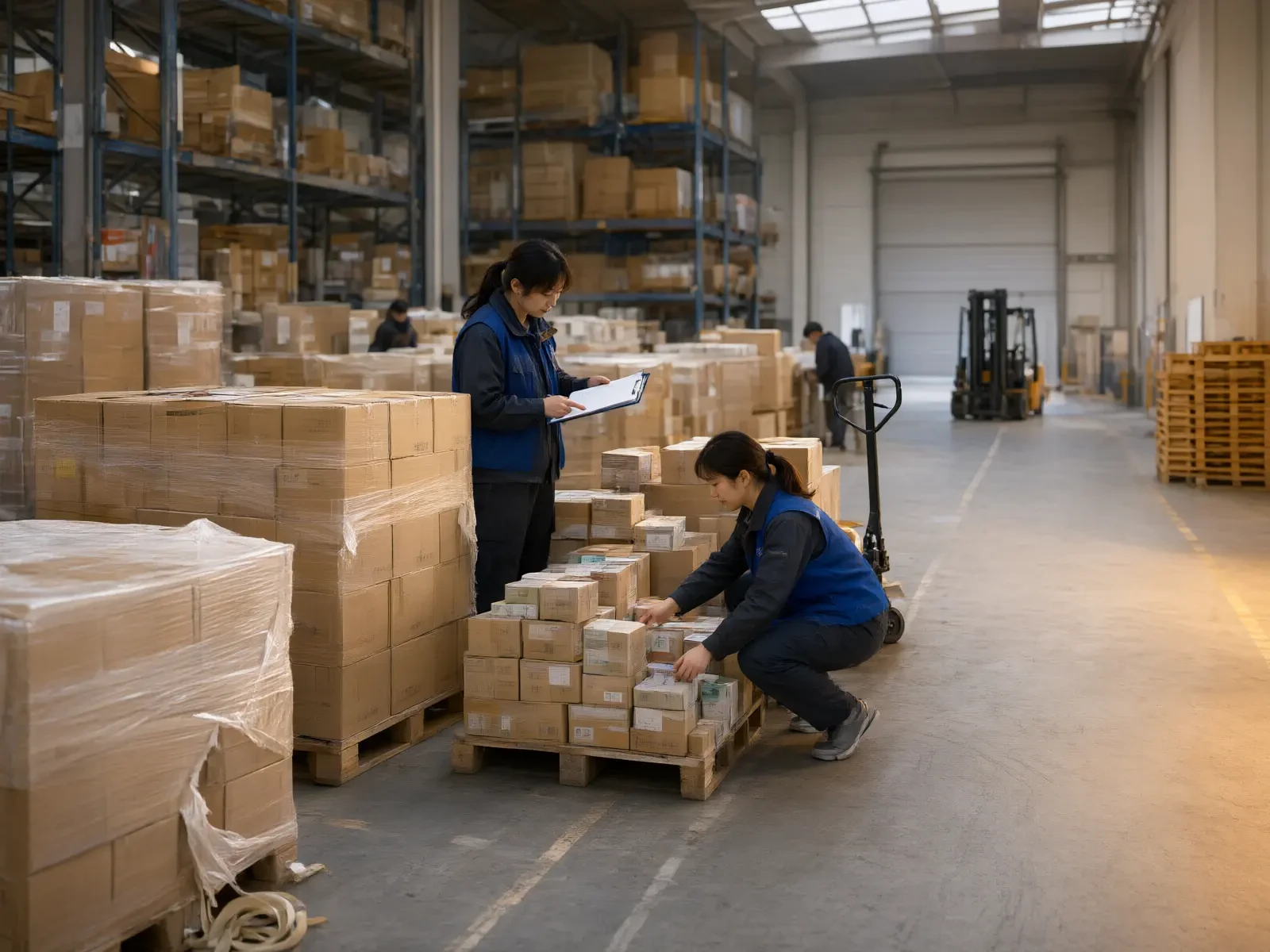
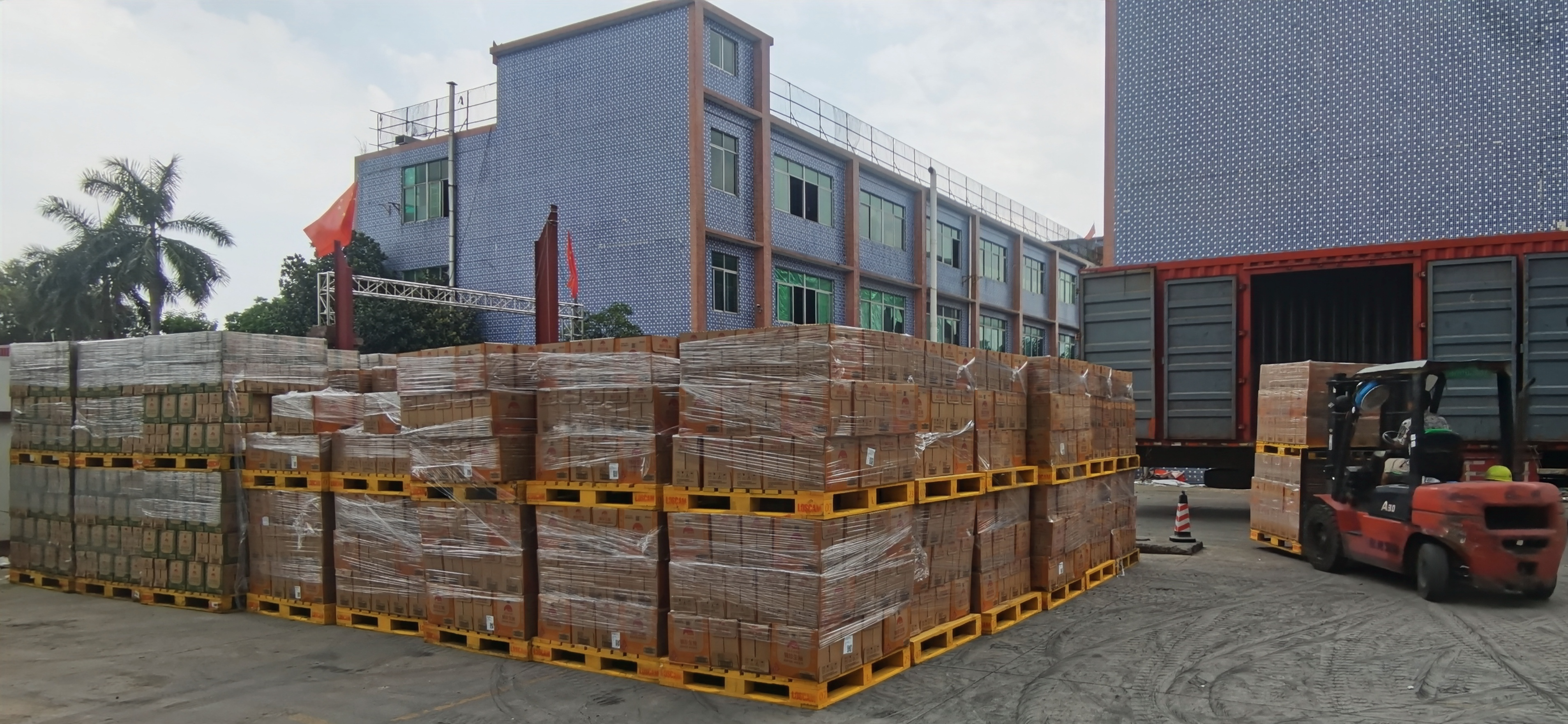
For international customers, shipments are organized as full container loads (FCL) or less than container loads (LCL). Core SKUs are stocked for FCL, while long-tail items are consolidated into LCL. Customs documentation and destination port requirements for labeling and expiration dates are aligned in advance. FOB departure schedules follow the customer's sales rhythm. Our operations now span 11 countries across Southeast Asia, Africa, Oceania, the Middle East, and South Asia. Differences in packaging specifications and flavor preferences across markets are addressed during the consolidation phase.
For local customers, the integrated supply chain spanning warehousing, distribution, and sales faces a different set of challenges. In Guangzhou and South China, key accounts (KA), convenience store systems (CVS), wholesale market stalls, and corporate/institutional catering programs all have distinct receiving windows, minimum order quantities, and payment terms. The flexibility to allocate orders—whether large or small—is what allows this system to operate seamlessly across all channels. The same inventory can be split into full-container shipments for overseas markets or broken down into store-level deliveries for local warehouses.
Flexibility isn't just a stance—it's defined by three verifiable capabilities. Can your product selection offer tailored recommendations based on store type, rather than a one-size-fits-all catalog? Does your minimum order quantity support overseas clients testing with small batches before scaling to full container loads? Can your replenishment rhythm adapt to your customers' sales cycles instead of fixed shipping schedules? Only when all three are achievable is your supply chain truly aligned.
Conclusion
The needs of two terminal types will never converge. Overseas Chinese supermarkets protect flavor consistency and prevent stockouts, while local retailers prioritize turnover efficiency and receiving discipline. Since 1997, Guangzhou Jiangji Supply Chain has operated at Guangzhou Dongwang International Wholesale Market, serving over 650 terminal customers by breaking these differences into actionable terms and supporting them with one-stop service capabilities.
Consultation Phone:020-81787090, Business Email:wanghui@lwxgo.com。