Stay updated with the latest news and industry insights from Jiangji Supply Chain.
A first-person account from a Chinese-American grocery owner: starting with dozens of small trial orders to shipping full containers FOB. The key to stocking for the Lunar New Year is selecting the right products, ensuring fresh dates, and maintaining reliable lead times.
Condiments have low unit value, dense SKUs, and short shelf lives—yet the demand structure of overseas Chinese supermarkets differs sharply from that of local grocery chains. This article breaks down the differences in product selection logic and timing rhythms, explaining how a flexible supply chain can serve both delivery models with a single inventory platform.
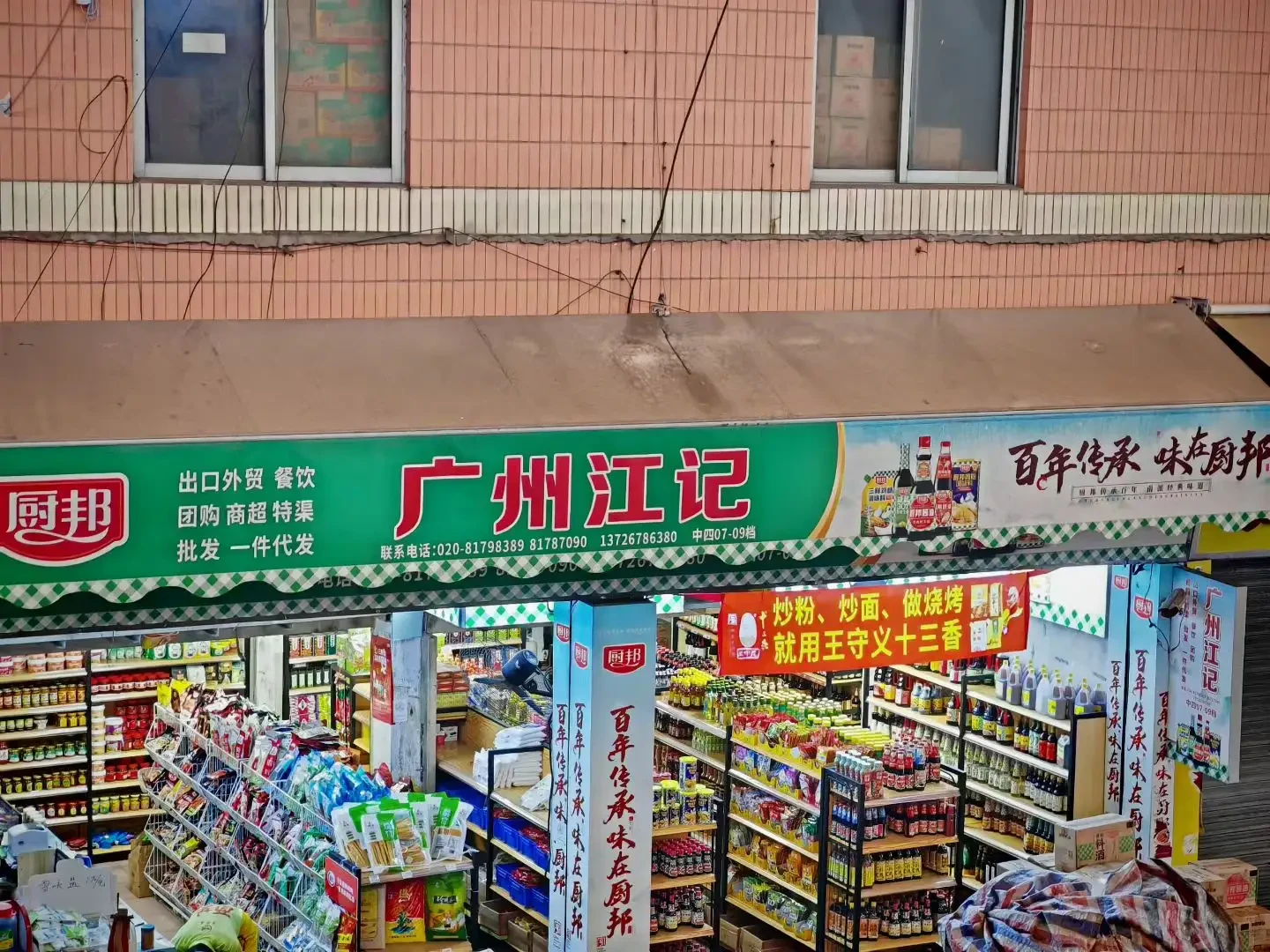
Since entering Guangzhou Dongwang International Wholesale Market in 1997, Guangzhou Jiangji Supply Chain has been deeply rooted in the condiment and non-staple food industry for over 30 years. This article analyzes the core competitiveness of this established supply chain enterprise from three dimensions: resource integration capabilities, service system construction, and business coverage scope.
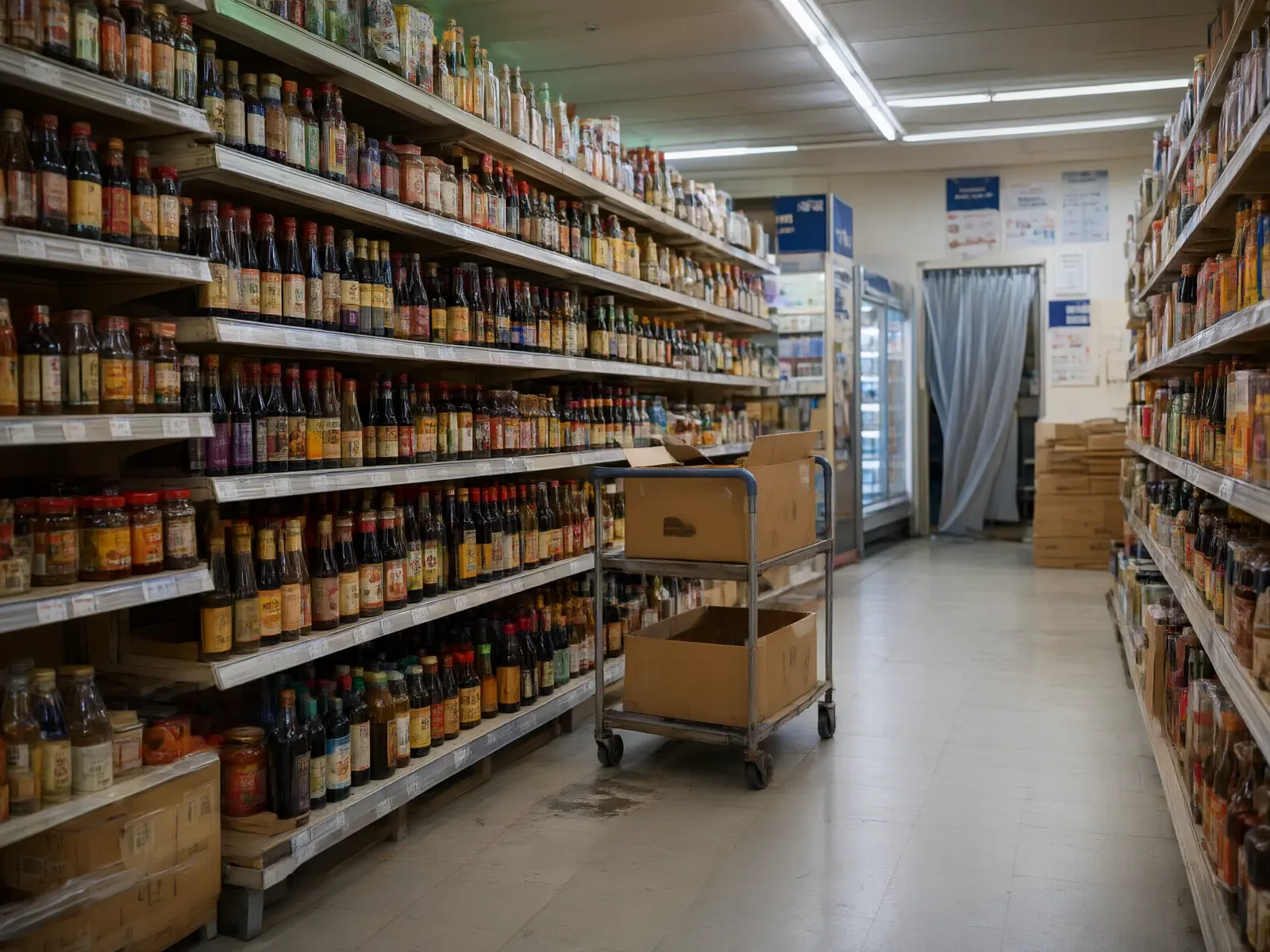
The company invested dedicated funds to modernize its warehouse center, deploying an automated sorting system and a smart inventory management platform to significantly boost operational efficiency.
With the rapid advancement of digital technology, the FMCG supply chain is undergoing profound transformation, with data-driven precision supply emerging as the industry's new direction.
The company has signed strategic agreements with multiple partners in Southeast Asia, North America, Australia, and other regions to further expand its global supply chain network.
The global FMCG market continues to grow, creating new opportunities and challenges for cross-border e-commerce and supply chain services. Companies must proactively adapt to market changes.