One afternoon in October, I stood in my supermarket warehouse, staring at the two top rows of empty shelves and worrying. During these final two months before year-end, soy sauce, oyster sauce, rice products, and dried goods were selling so fast that as soon as a spot opened up, we couldn't restock it quickly enough. When items weren't available, customers simply walked away.
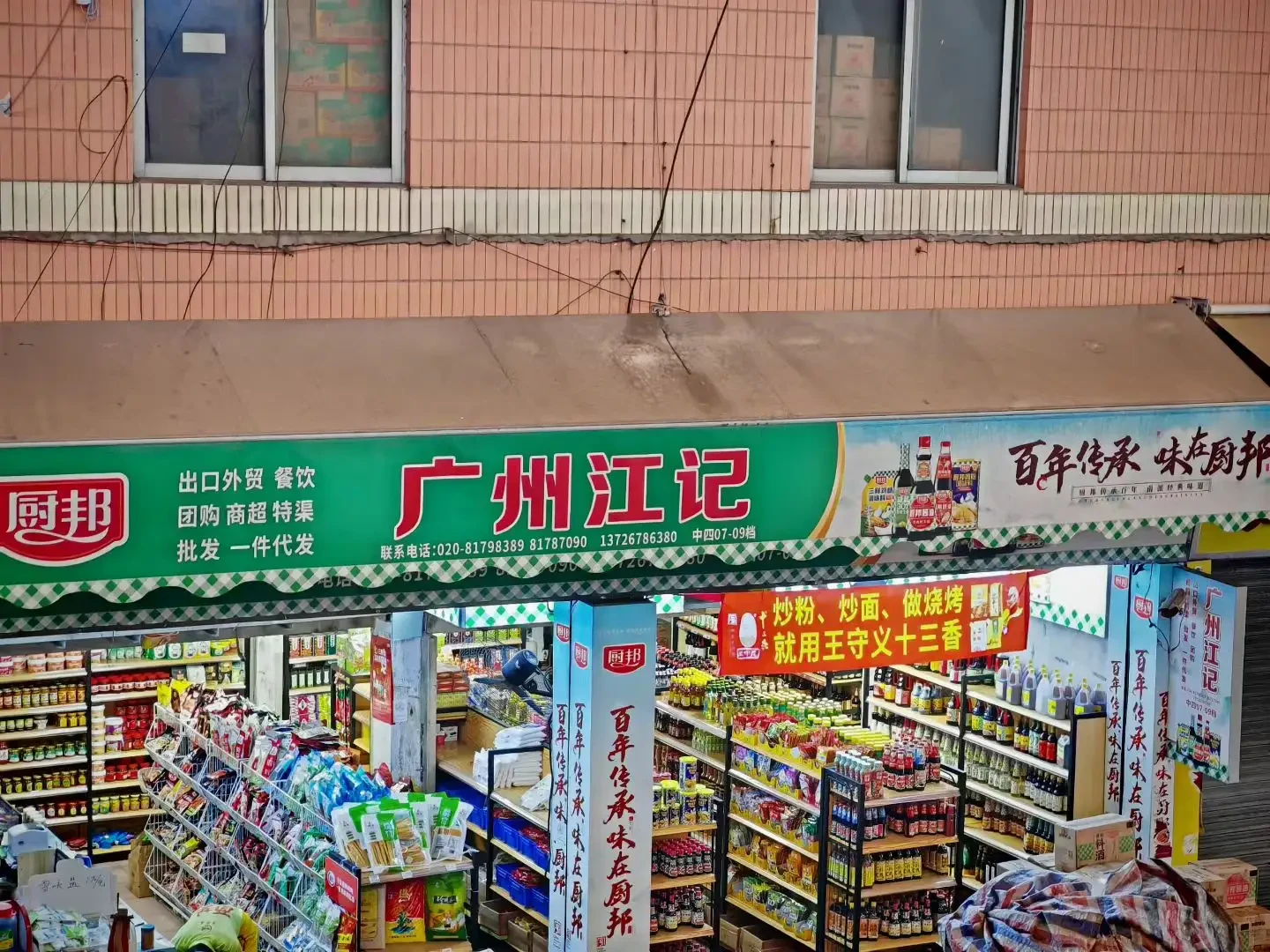
After years of running this store, year-end is still the most stressful time for me.
Previously, I sourced my New Year goods from local wholesalers. Prices were higher, the selection was limited, and by the time I received the products, they were already six months past their production date. This year, a friend referred me to Guangzhou Jiangji Supply Chain. They've specialized in FMCG for 30 years, with overseas Chinese supermarkets as their primary clients. I decided to give them a call.
I didn't dare to place a large order the first time. I selected over a dozen of our fastest-selling products—light soy sauce, oyster sauce, dried shiitake mushrooms, and several cases of rice noodles—to create a small trial order.
They responded quickly: full containers can ship FOB, while smaller shipments are consolidated. I didn't fully grasp the significance at the time, but later realized that suppliers willing to handle scattered orders like mine are rare—flexible allocation of large and small orders means I don't have to force unwanted inventory just to fill a container.
They also mentioned the agency carries over 100 brands with a comprehensive range of product barcodes. After reviewing the flyer, I found that most of the dozens of SKUs I regularly stock are included—rice and flour, cooking oil, pickled foods, snacks, beverages, and even imported home goods. This saves me from sourcing items piecemeal across multiple suppliers.
The first thing I did when the goods arrived was to dig through every box.
It's not about quantity; it's about dates. Anyone in the supermarket industry knows: overseas shipments take 1–2 months at sea, plus clearance time upon arrival. The production date printed on the outer carton is critical. It clearly displays the batch number, production date, and expiration date—no one just slaps a random label on there.
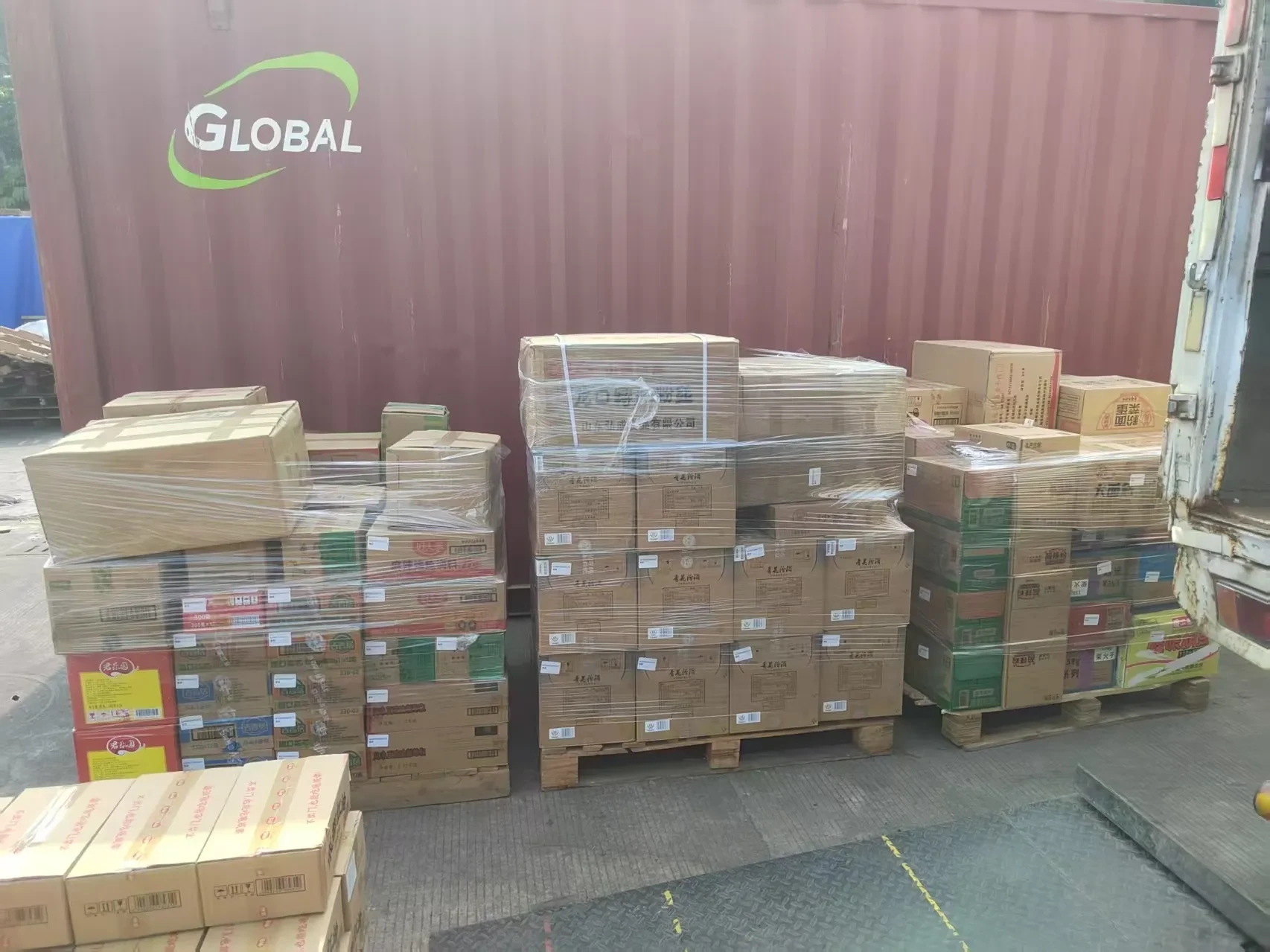
I randomly sampled a few boxes of dried goods for verification—all were produced within the last two months. Later, when I spoke with the contact person, they mentioned that shipments destined for overseas Chinese supermarkets never include near-expiry batches; instead, they'd rather wait for the next production run than risk releasing them. I take their word half seriously and keep a close eye on things myself—that's simply how this industry has trained me.
There was a small hiccup. I rushed an order for fish sauce to catch the shipping schedule, but the supplier said the batch wasn't fresh enough and asked if I could wait two weeks. I waited. For those two weeks, we had one less item on the shelf—a visible gap. It felt uncomfortable, but it was better than holding onto stock that wouldn't stay fresh.
When that batch of fish sauce arrived, the dates were fresh. I opened the box and gave it a sniff—the aroma was spot on. In that moment, it felt like those two weeks of waiting were totally worth it.
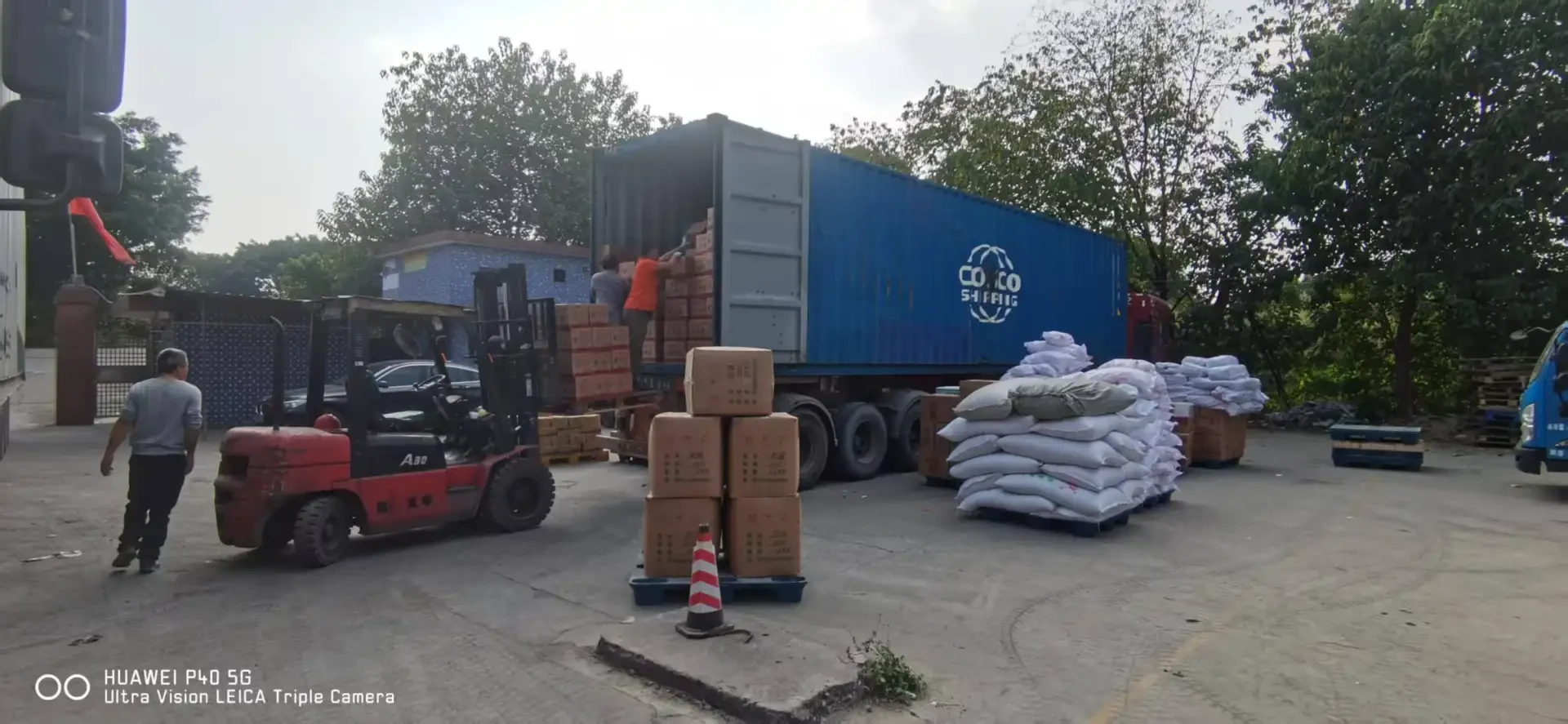
In November, I released the order and booked a full container. The shipment departed under FOB terms. Once the vessel schedule was confirmed, all that remained was to wait for the ship. I adjusted the quantity once mid-process, adding extra snacks and pickled items; the destination team accommodated the change without requiring a complete re-allocation.
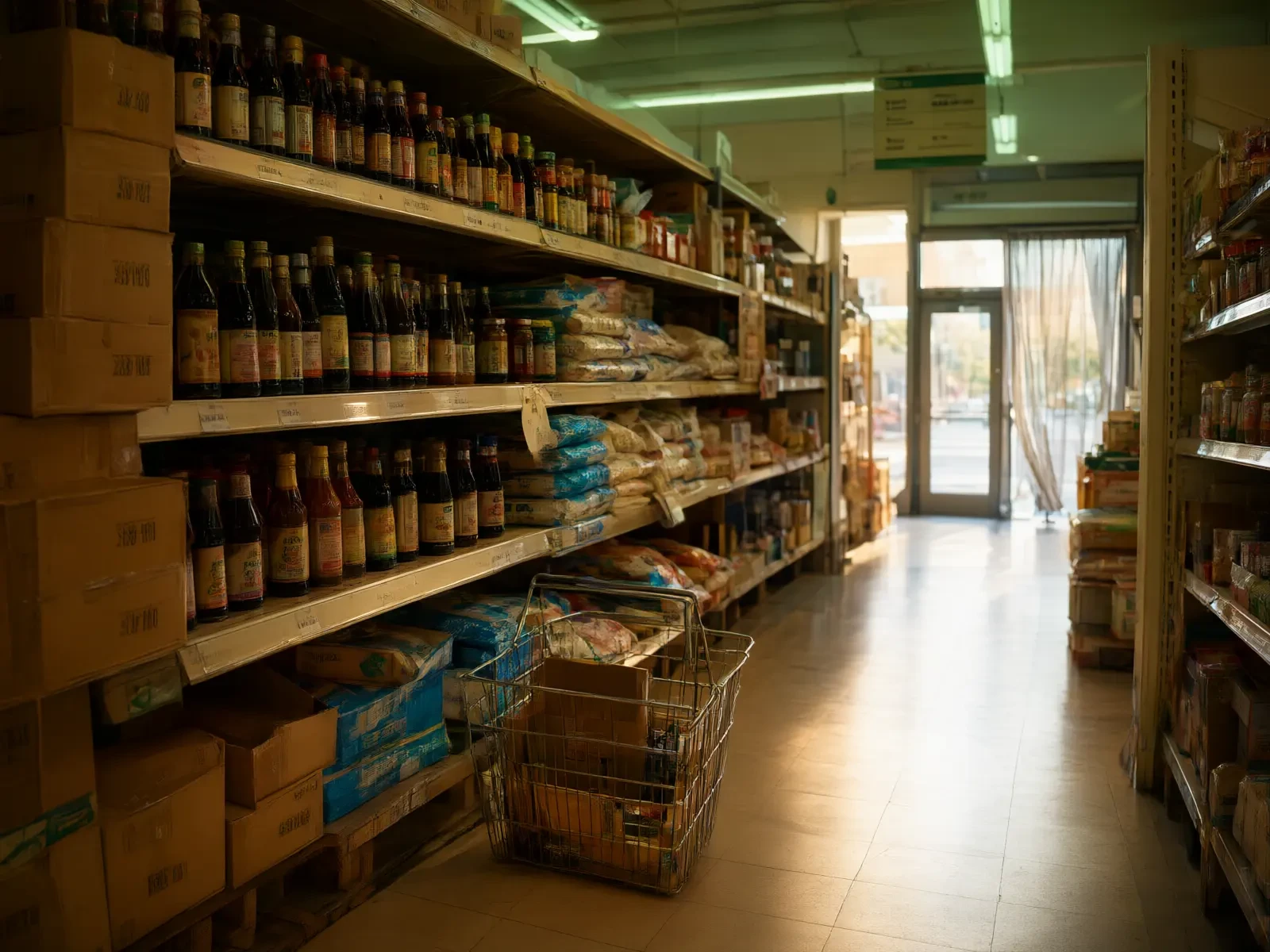
The two empty rows in the warehouse are now fully stocked. During the busiest days of the year, as I ring up sales and glance at the shelves, I feel confident.
For delivery times, call 020-81787090 13710069656 directly—it's faster than messaging. I've tried it. They're open Monday through Saturday; calls before 6:30 PM are usually answered.